
LatX-CT

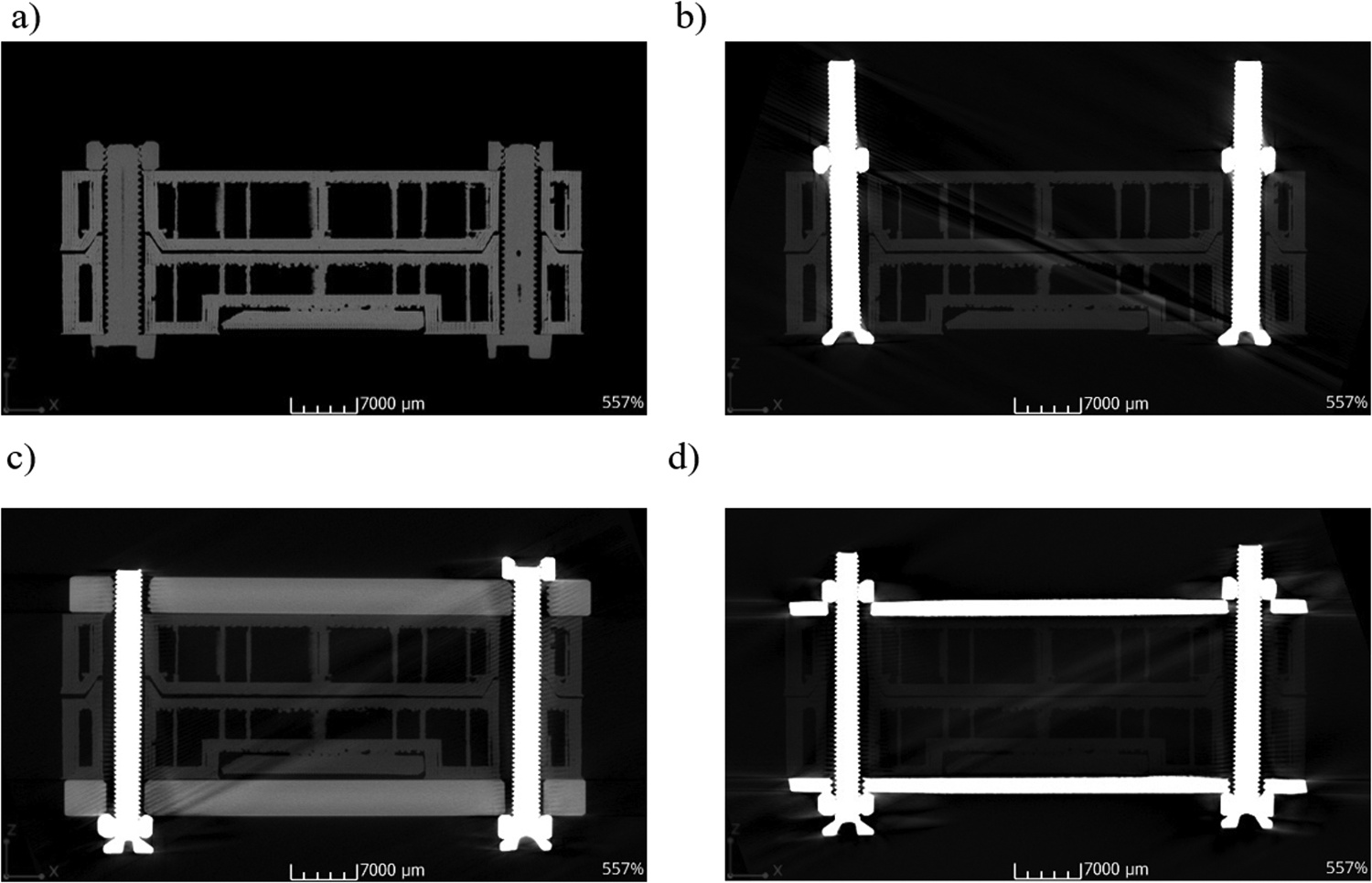
The primary objective of this project is to advance the state-of-the-art in analyzing error sources affecting Computed Tomography (CT) measurements of lattice structures produced via Additive Manufacturing (AM), and how these errors impact the calculation of their mechanical properties. To this end, specialized algorithms will be developed for surface extraction of nodes and struts within … Read more

SIMULTI

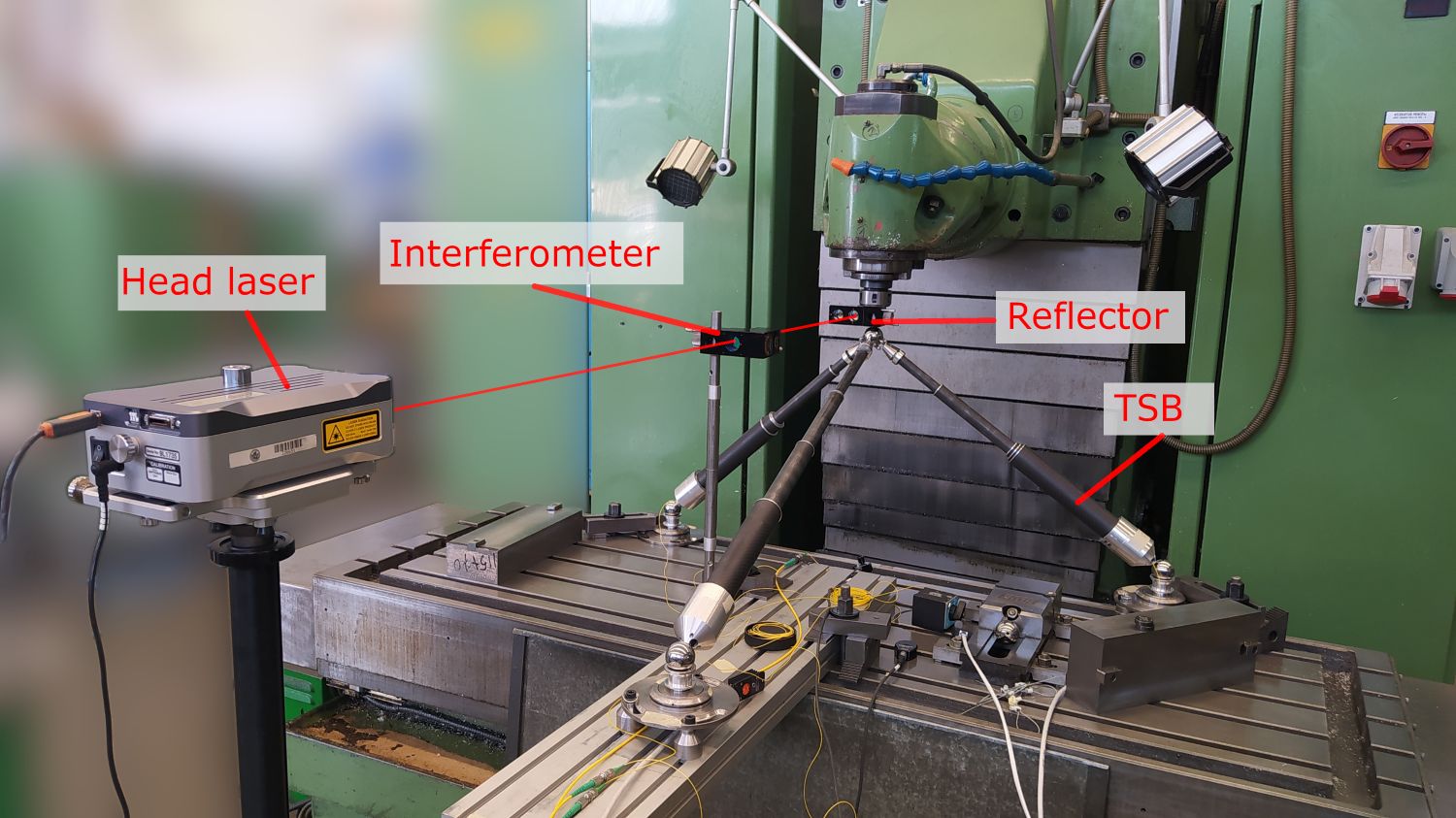
Modern manufacturing technologies demand high efficiency and precision in machining, handling, and measurement processes. The gradual implementation of open-architecture control programs in a new generation of Machine Tools (MT) allows for the compensation of geometric errors identified through volumetric verification, significantly enhancing machine precision. While traditional verification focused on individual axes, the push for high-precision … Read more

SMARTVOLVER

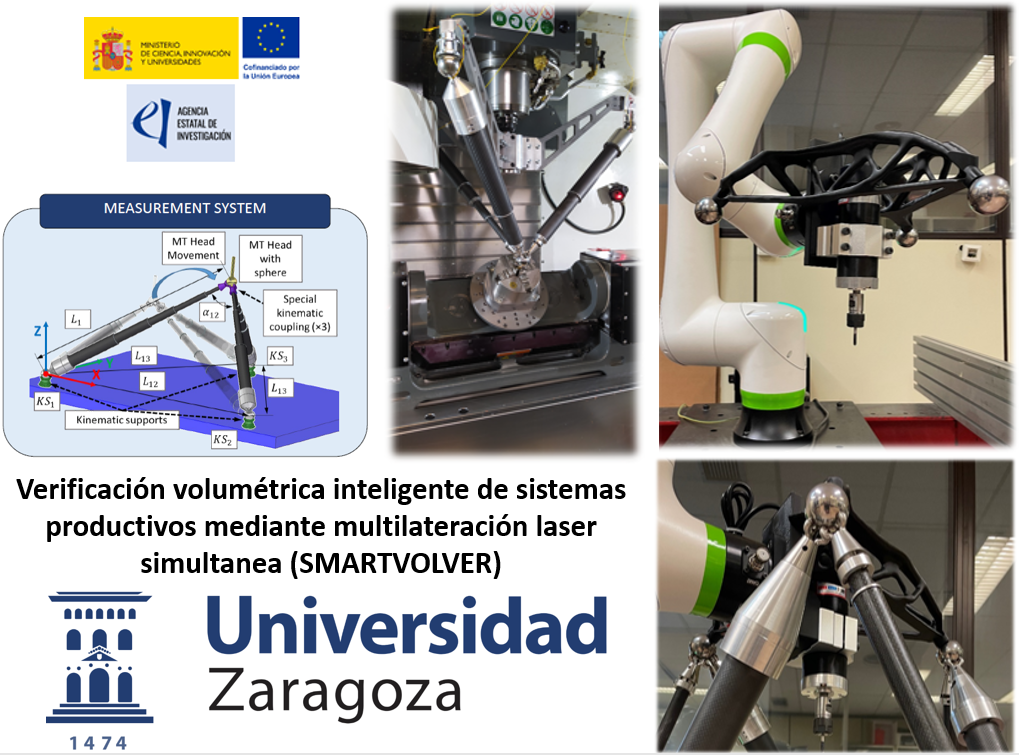
This project focuses on enhancing the precision of production systems by analyzing and compensating for quasi-static and dynamic errors. While traditional geometric verification is often time-consuming, this research advances Volumetric Verification as an indirect measurement technique. By integrating laser interferometry—specifically through Laser Trackers (LT) and Laser Tracers (LC)—the project develops mathematical corrections for combined geometric … Read more

MetroSurf

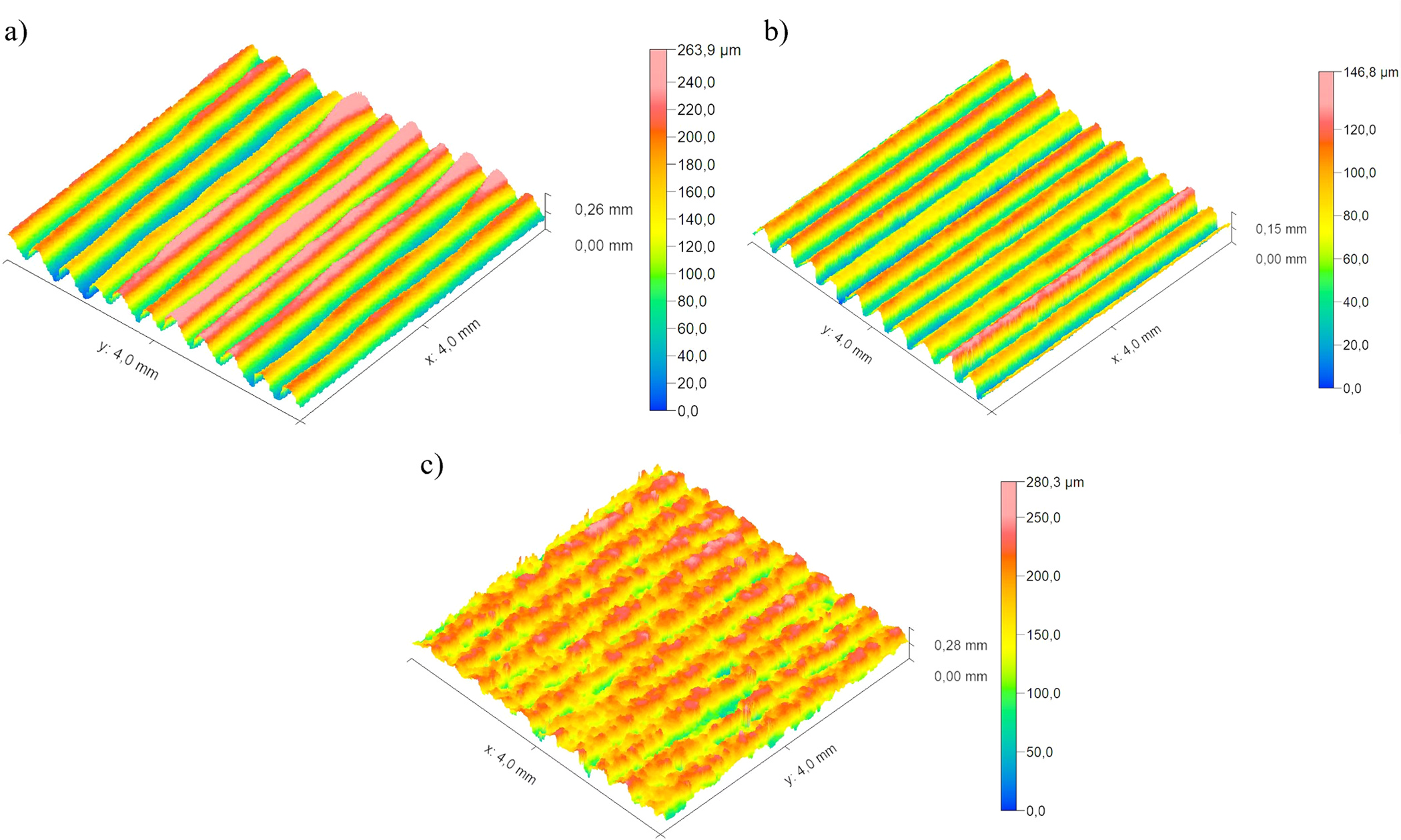
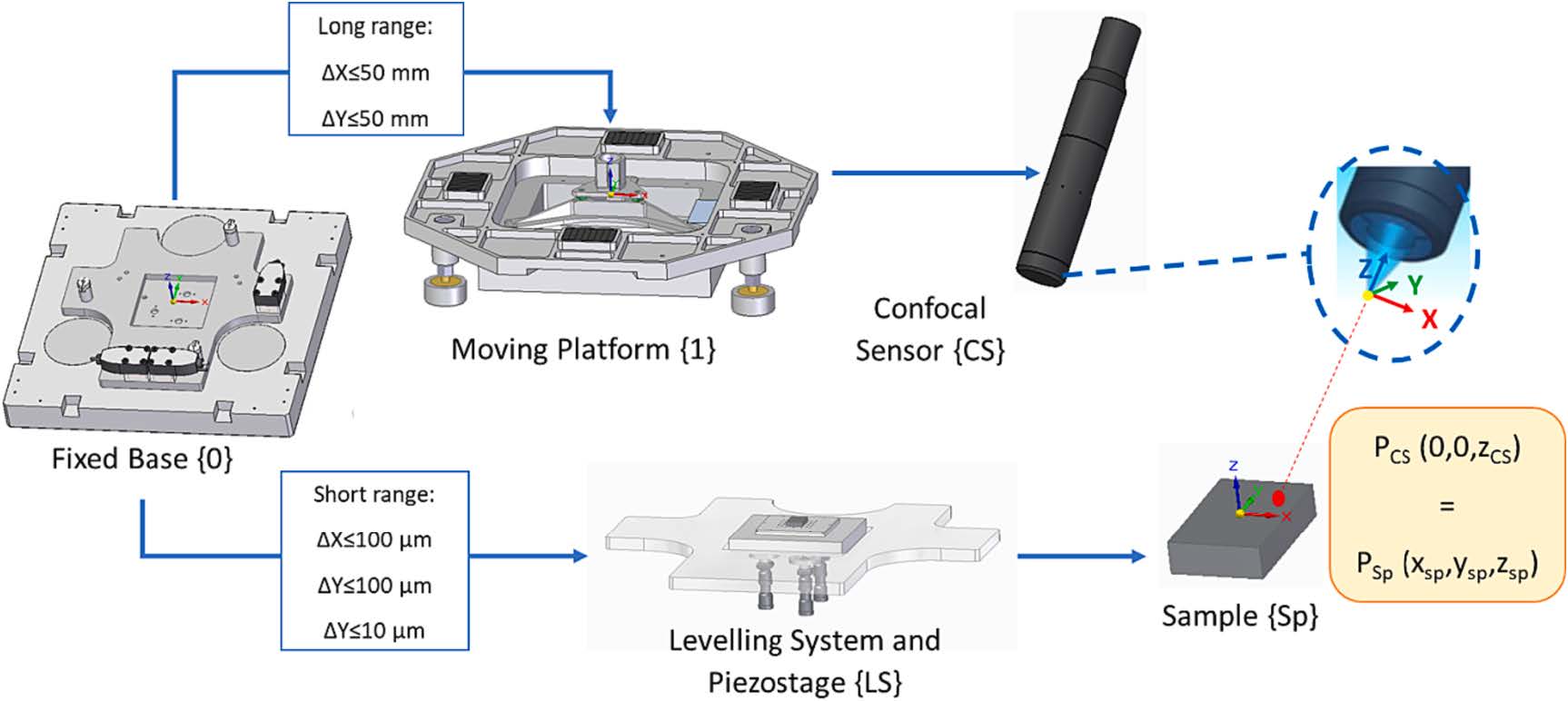
Functional texturing is defined as the generation of geometric features—whether positive or negative—arranged in specific patterns on a component’s surface to enhance its properties. Consequently, the dimensional characterization of these surface structures is essential for ensuring both quality and functional performance. Therefore, a primary objective of this project is to develop the measurement equipment and … Read more

MultiMet

Currently, there is a wide range of metrological equipment focused on both macro- and micro-geometric dimensional characterization. However, macro-systems face limitations when measuring components smaller than 1 mm or dealing with complex, non-prismatic geometries where traditional 3D systems cannot achieve the required measurement uncertainties. Conversely, micro-geometric systems are typically restricted by their small measurement range … Read more